Between Visibility and Presence
Infrastructures of Seeing in Art
PL
Pomiędzy widzialnością a obecnością
Infrastruktury widzenia w sztuce
Notatki o widzialności, sztuce i współczesnych systemach kultury
Po Covidzie świat sztuki nie stał się bardziej otwarty. Stał się jednocześnie bardziej widzialny i mniej dostępny.
Dzisiaj niemal każdy może publikować, pokazywać swoją twórczość i budować obecność w internecie, ale to właśnie media społecznościowe stworzyły iluzję pełnej demokratyzacji kultury. W teorii każdy artysta może istnieć publicznie. Każdy może coś udostępnić, stworzyć własną stronę, opublikować obraz, film, tekst czy wystawę online.
Jednak wraz z tą pozorną otwartością pojawił się nowy problem: widzialność sama w sobie stała się formą kapitału.
Współczesny artysta nie walczy już wyłącznie z procesem tworzenia. Prawdziwa walka dotyczy dostępu do widzialności.
Przez długi czas internet był postrzegany jako przestrzeń, która miała znieść hierarchie świata sztuki. Wierzono, że geografia, pochodzenie społeczne czy brak kontaktów przestaną mieć znaczenie. Że twórczość będzie mogła obronić się sama.
Tak się jednak nie stało.
Hierarchie nie zniknęły. Stały się po prostu mniej widoczne.
Dzisiaj artysta musi nie tylko tworzyć, ale również nieustannie utrzymywać swoją obecność: publikować, aktualizować profile, uczestniczyć w obiegu informacji, budować sieci kontaktów, poruszać się pomiędzy algorytmami, instytucjami, open callami i językiem współczesnego świata kultury.
Milczenie zaczyna oznaczać zniknięcie. Nie ma już wiele miejsca na budowanie persony artysty jako tajemnicy.
Współczesna sytuacja artysty coraz częściej przypomina stan permanentnej obecności bez stabilności. Koreańsko-niemiecki filozof Byung-Chul Han opisywał późny kapitalizm jako system, w którym człowiek nie jest już kontrolowany wyłącznie zewnętrznie, ale zaczyna sam siebie eksploatować poprzez nieustanną produktywność, komunikację i konieczność bycia aktywnym. W świecie cyfrowym twórca nie może już po prostu istnieć i pracować. Musi stale pozostać widzialny.
Mark Fisher pisał z kolei o psychologicznym wymiarze późnego kapitalizmu, w którym depresja, przemęczenie i poczucie bezsilności przestają być wyłącznie problemem jednostki, a stają się efektem strukturalnym. W przypadku współczesnych artystów szczególnie widoczna jest sprzeczność pomiędzy społecznym oczekiwaniem nieustannej kreatywności a rzeczywistym brakiem stabilnych warunków życia, reprezentacji i długoterminowego bezpieczeństwa.
Istotna wydaje się również perspektywa Hito Steyerl, która zwraca uwagę, że w epoce cyfrowej obrazy i widzialność nie funkcjonują już jako trwałe obiekty, lecz jako elementy niekończącej się cyrkulacji. Widzialność staje się zależna od przepływu, algorytmów i infrastruktury platform. W rezultacie artysta coraz częściej funkcjonuje nie tylko jako twórca, ale również jako uczestnik ekonomii uwagi.
Wraz z rozwojem platform internetowych powstała również nowa klasa twórców funkcjonujących pomiędzy kulturą, mediami i ekonomią uwagi. YouTube, Instagram, TikTok czy Twitch nie tylko zmieniły sposób komunikacji, ale również stworzyły nowy model uczestnictwa społecznego oparty na permanentnej widzialności.
Jak zauważano przy okazji analiz rozwoju YouTube i rewolucji mediów społecznościowych, internet umożliwił narodziny nowej grupy zawodowej — twórców internetowych budujących własne społeczności i obiegi wpływu poza tradycyjnymi instytucjami medialnymi.
Radio Zet – 19 sekund w zoo, które zmieniły świat mediów
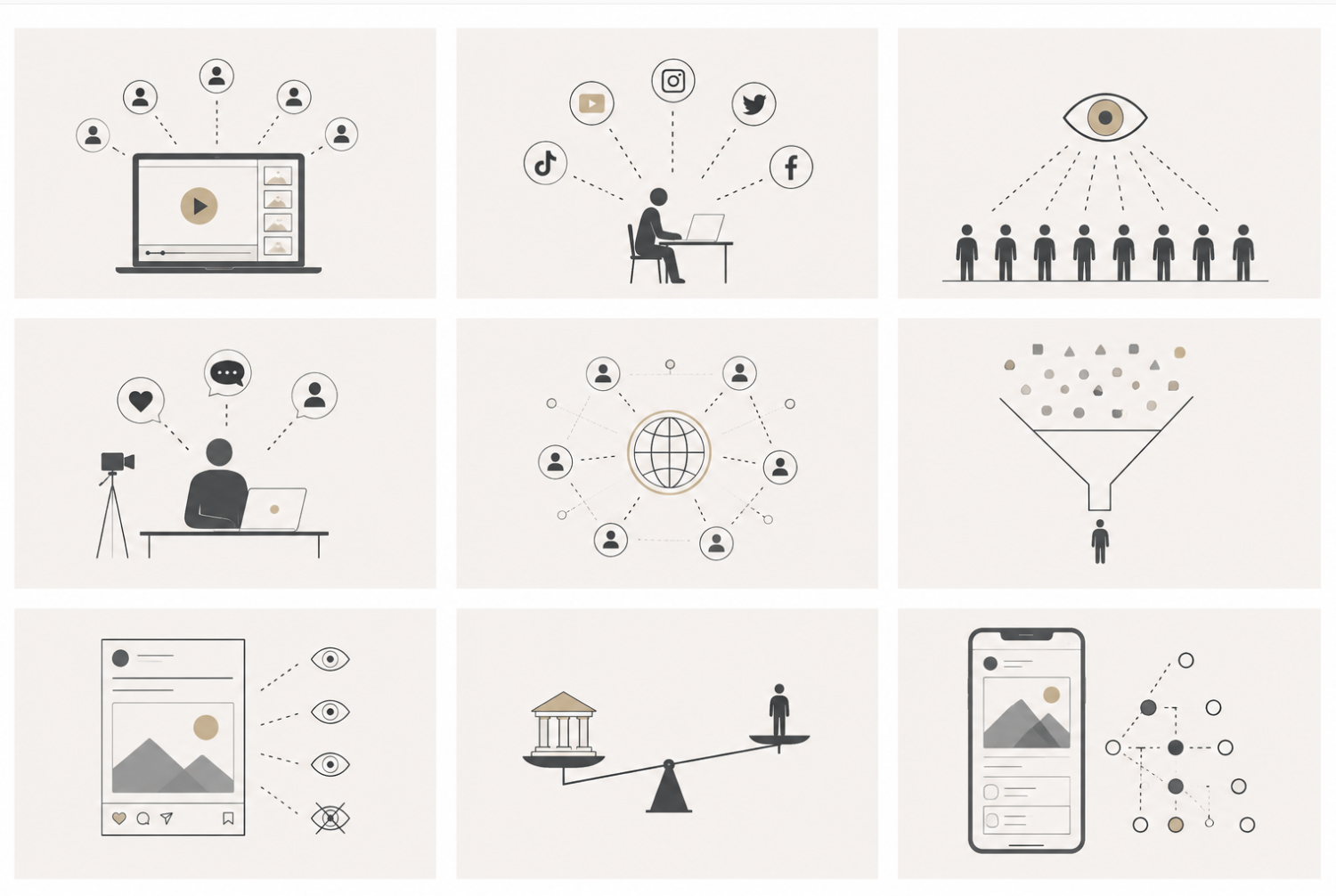
W teorii miało to oznaczać demokratyzację widzialności. Każdy mógł stać się nadawcą, artystą, komentatorem lub producentem własnego świata symbolicznego.
Jednocześnie platformy stworzyły nowy rodzaj zależności.
Widzialność przestała być wyłącznie efektem jakości pracy. Coraz częściej zależy od zdolności utrzymania uwagi wewnątrz systemów algorytmicznych. Twórca zaczyna funkcjonować nie tylko jako autor, ale również jako produkt cyrkulujący w ekonomii danych, emocji i zaangażowania.
To właśnie tutaj pojawia się paradoks współczesnej wolności cyfrowej: internet otworzył możliwość publicznej obecności niemal dla wszystkich, ale jednocześnie podporządkował tę obecność infrastrukturze platform, których główną walutą pozostaje uwaga użytkownika.
W rezultacie współczesny artysta, podobnie jak twórca internetowy, coraz częściej funkcjonuje pomiędzy autonomią a zależnością od systemów widzialności, których sam nie kontroluje.
To właśnie w tym miejscu pojawia się jeden z głównych paradoksów współczesnej kultury: im więcej obrazów produkujemy jako społeczeństwo, tym trudniej uzyskać realną obecność społeczną.
W tym systemie sama praca artystyczna przestaje być końcem procesu. Dzieło musi jeszcze wejść w obieg widzialności. Musi zostać zauważone, udostępnione, opisane, zaproszone i włączone do istniejących struktur. Tworzenie już nie wystarcza.
To prowadzi do jednego z największych paradoksów współczesności: żyjemy w najbardziej widzialnym momencie historii, a jednocześnie coraz więcej ludzi doświadcza niewidzialności.
Tysiące artystów codziennie produkują obrazy, teksty, filmy i wystawy. Jednak tylko niewielka część z nich uzyskuje trwałą obecność w przestrzeni kultury.
Problemem nie jest już wyłącznie wykluczenie. Problemem staje się przesyt.
Internet stworzył niekończący się strumień obrazów, narracji i tożsamości konkurujących o uwagę. Widzialność stała się chwilowa i niestabilna. Artyści pojawiają się na moment, w poście, relacji, wydarzeniu czy krótkim obiegu medialnym, ale rzadko uzyskują długoterminową obecność w strukturach kultury.
I właśnie dlatego instytucje nadal mają ogromne znaczenie.
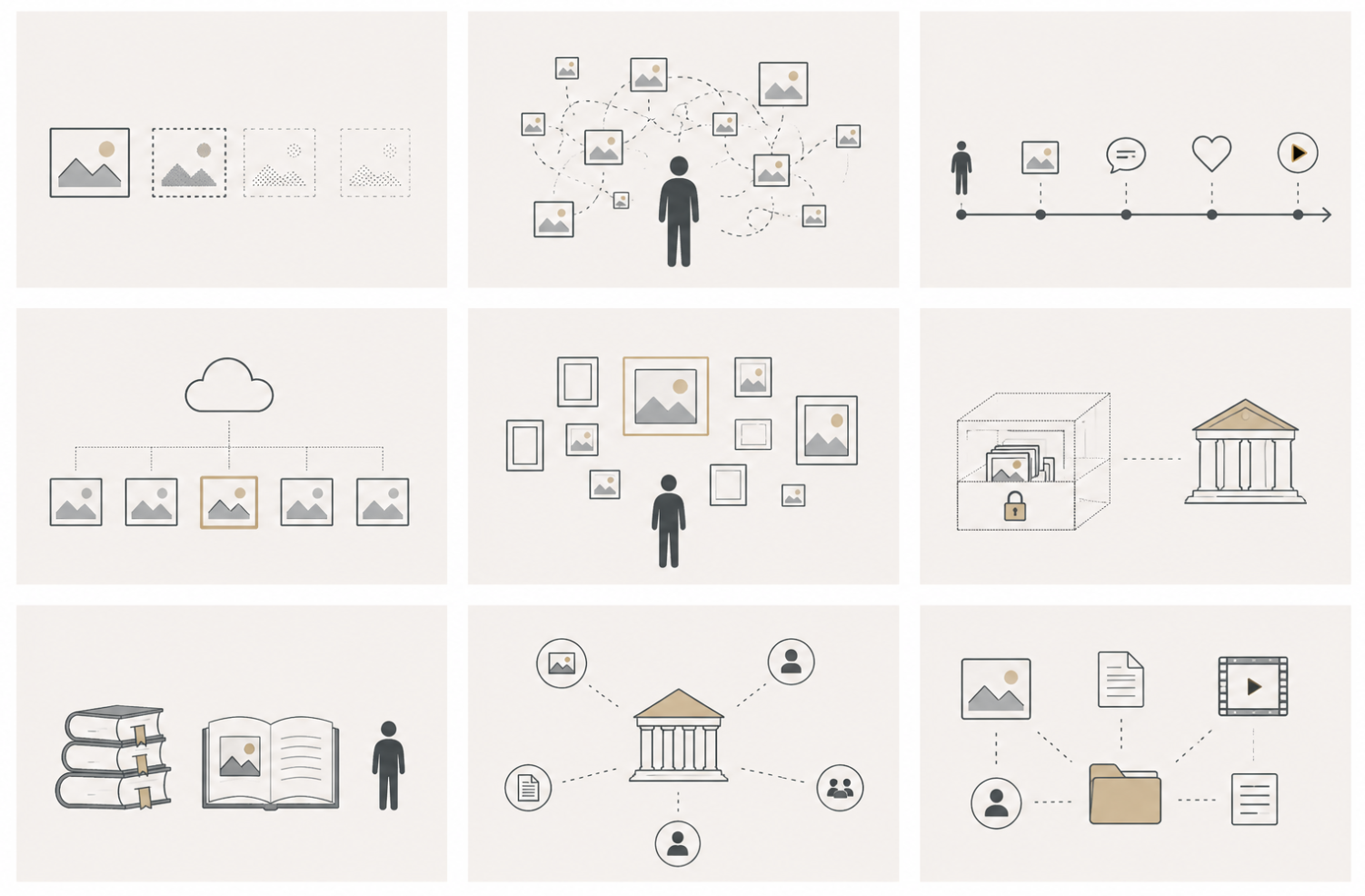
Muzea, galerie, uniwersytety i przestrzenie finansowane publicznie wciąż decydują o tym, co zostaje zapisane w pamięci kulturowej. To one współtworzą archiwa, historię sztuki i społeczną legitymizację twórczości.
Nawet w epoce mediów społecznościowych uznanie instytucjonalne pozostaje granicą pomiędzy chwilową uwagą a trwałą obecnością kulturową.
Tutaj pojawia się ważna sprzeczność współczesnych demokracji.
Mówimy o otwartości, różnorodności i dostępności. Jednocześnie uczestnictwo w systemach kultury bardzo często pozostaje skupione wokół istniejących sieci społecznych, lokalnych środowisk i już obecnych struktur.
Nie zawsze jest to świadome wykluczenie. Często jest to po prostu reprodukcja istniejących relacji.
Instytucje naturalnie poruszają się wokół osób, które już są widoczne, znane i rozpoznawalne wewnątrz systemu.
W rezultacie wielu artystów formalnie istnieje w świecie sztuki, ale praktycznie pozostaje poza jego głównym obiegiem.
Szczególnie widoczne staje się to w mniejszych społeczeństwach.
W moim własnym doświadczeniu temat widzialności pojawił się jeszcze przed rozpoczęciem edukacji artystycznej.
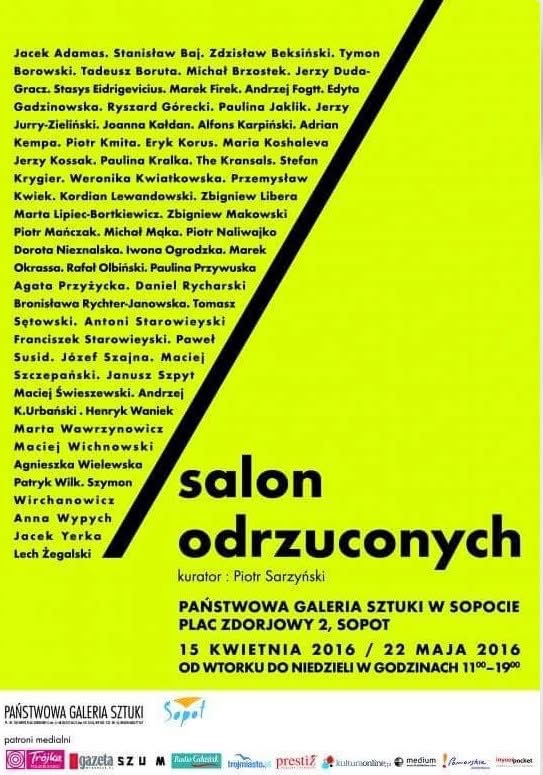
W 2016 roku, jeszcze przed studiami na Akademii Sztuki w Szczecinie, brałem udział w wystawie „Salon odrzuconych” w Państwowej Galerii Sztuki w Sopocie, kuratorowanej przez Piotra Sarzyńskiego. Wystawa dotyczyła artystów funkcjonujących poza oficjalnym obiegiem sztuki — obecnych w świadomości odbiorców, ale jednocześnie pomijanych przez instytucjonalny kanon.
Jednym z ważnych punktów odniesienia dla wystawy była teoria Gregory’ego Sholette’a dotycząca „ciemnej materii świata sztuki”. Sholette opisywał ogromną liczbę artystów podtrzymujących funkcjonowanie systemu kultury, mimo że sami pozostają poza głównym obiegiem widzialności. Jak pisał kurator wystawy, problem nie dotyczy wyłącznie jakości twórczości, ale również mechanizmów społecznych, instytucjonalnych i ekonomicznych decydujących o tym, kto pozostaje widzialny, a kto funkcjonuje na obrzeżach systemu.
Dopiero po latach zrozumiałem, jak istotny był dla mnie ten moment.
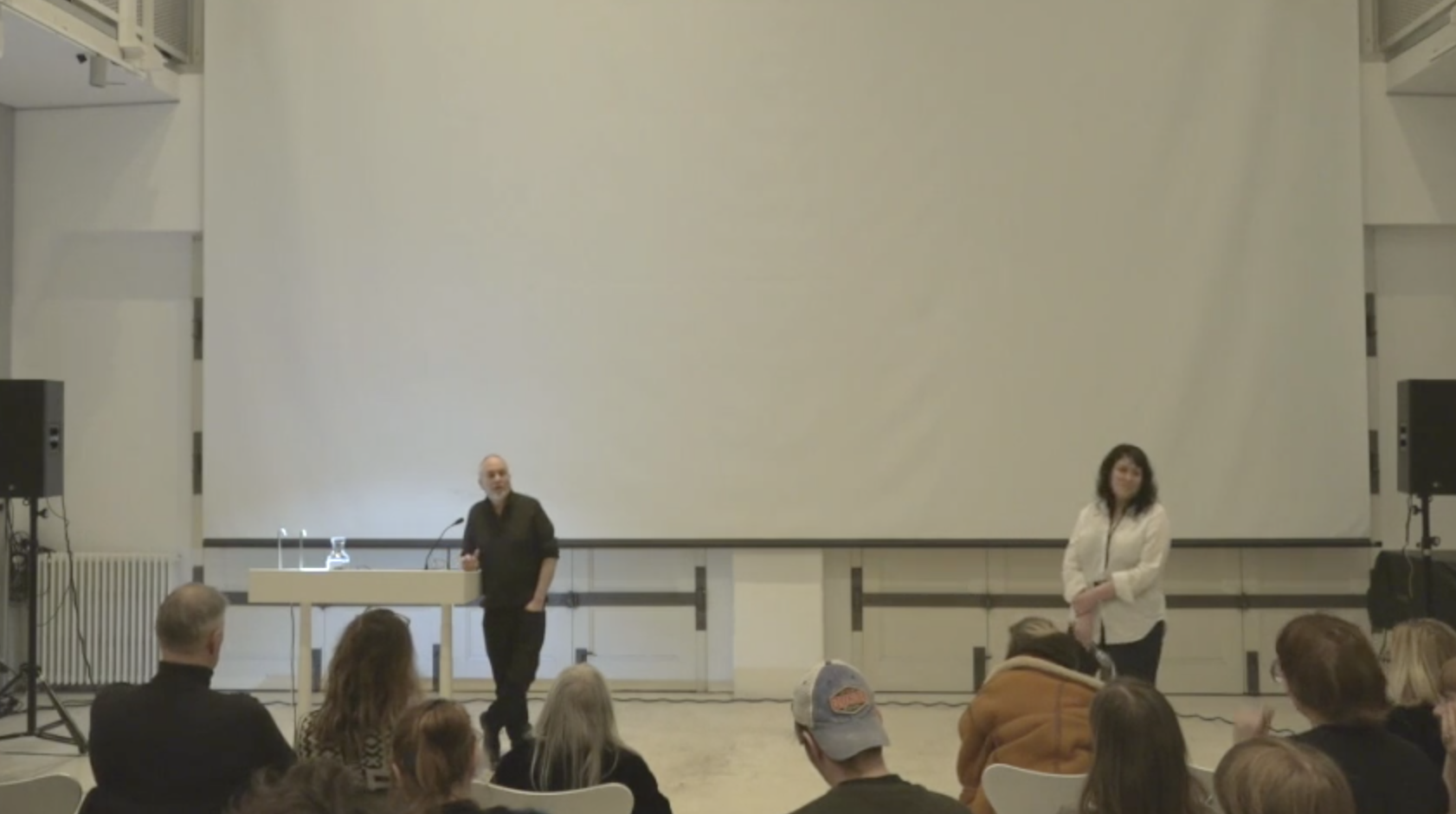
Podczas publicznego artist talku w Reykjavik Art Museum zadałem Sholette’owi pytanie dotyczące jego własnej pozycji wobec systemu, który opisuje. Przedstawiłem się wtedy po prostu jako student Bryndís Snæbjörnsdóttir, mojej profesor i jednej z najważniejszych postaci związanych z islandzką edukacją artystyczną oraz środowiskiem sztuki współczesnej, którą w tamtym czasie postrzegałem jako niezwykle istotny autorytet.
Zapytałem, gdzie właściwie umieszcza samego siebie wobec świata aktywizmu, instytucji i sztuki: czy pozostaje przede wszystkim obserwatorem, dokumentalistą, uczestnikiem czy aktywistą.
Z perspektywy czasu widzę, że nie było to pytanie akademickie, lecz raczej pytanie zadane z pozycji młodego artysty próbującego zrozumieć relację pomiędzy teorią a realnym uczestnictwem w systemie sztuki.
W świecie współczesnej kultury bardzo często mówi się o strukturach, reprezentacji i krytyce instytucjonalnej, jednak znacznie rzadziej pojawia się pytanie o osobistą pozycję wobec systemów, które sami współtworzymy i opisujemy.
Sholette odpowiedział wtedy, że sam funkcjonuje jednocześnie wewnątrz i poza systemem. Mówił o własnym udziale w działaniach aktywistycznych, interwencjach instytucjonalnych i kolektywach artystycznych, ale również o pisaniu, badaniu i próbie analizowania tych procesów z pewnego dystansu.
Dzisiaj widzę, że pytanie to dotyczyło również mnie samego.
Dzisiaj widzę również, że problem ten stał się jeszcze bardziej aktualny. Internet miał otworzyć system sztuki. W praktyce często jedynie zwiększył tempo cyrkulacji obrazów i konkurencji o uwagę.
Temat relacji pomiędzy przestrzenią fizyczną a cyfrową pojawiał się również bezpośrednio w mojej praktyce artystycznej podczas studiów magisterskich w Iceland University of the Arts.
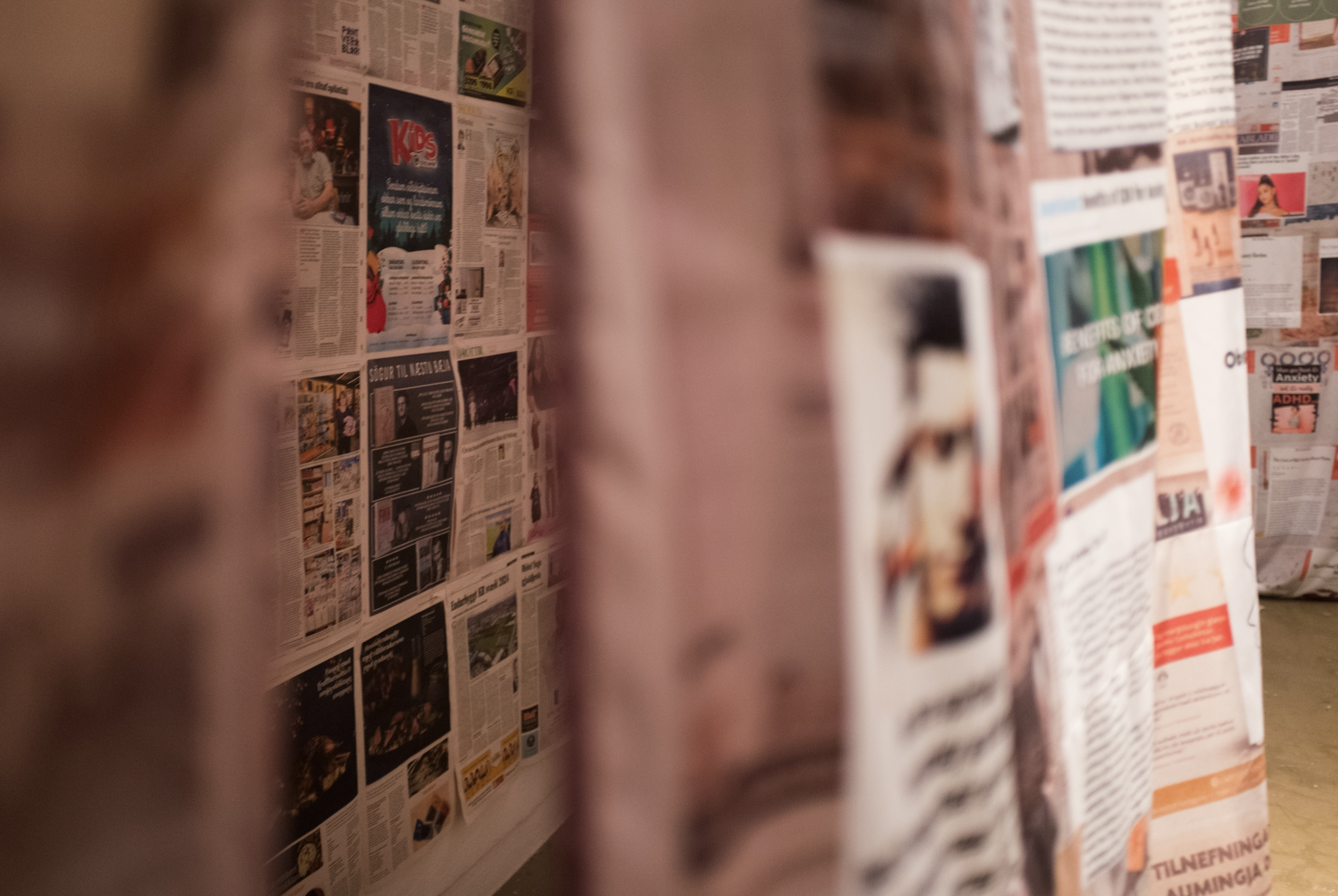
W jednej z realizacji przygotowanych w przestrzeni Kubburinn stworzyłem instalację opartą na podziale pomiędzy doświadczeniem lokalnym a cyfrowym. Fizyczna przestrzeń galerii została zasłonięta gazetami i oddzielona kotarami. Wewnątrz znajdowały się fotografie tych samych ścian, dokumentacja przestrzeni internetowej oraz odpowiedzi twórców uczestniczących w projekcie.
Interesowało mnie wówczas pytanie o to, gdzie właściwie odbywa się współczesna obecność człowieka i artysty.
Projekt próbował zwrócić uwagę na fakt, że współczesne życie społeczne nie funkcjonuje już wyłącznie lokalnie. Oprócz przestrzeni fizycznych uczestniczymy równocześnie w rzeczywistości globalnej, cyfrowej i sieciowej, działającej według zupełnie innych zasad widzialności, komunikacji i uczestnictwa.
To właśnie tam coraz częściej budowane są relacje społeczne, rozpoznawalność, wpływ i obecność kulturowa.
W tym sensie internet nie jest już jedynie narzędziem komunikacji. Stał się równoległą przestrzenią społecznego istnienia.
W Islandii bardzo silnie obecny jest język równości, wspólnoty i otwartości społecznej. Jednocześnie wielu artystów, także samych Islandczyków, mówi o trudnościach związanych z wejściem do świata sztuki, uzyskaniem stabilnej widzialności czy długoterminowej współpracy z instytucjami.
Podczas jednego ze spotkań wyborczych rozmawiałem również z Magnea Gná Jóhannsdóttir o sytuacji artystów w Islandii. W rozmowie pojawił się temat trudności związanych z wejściem w struktury świata sztuki i budowaniem trwałej obecności kulturowej. Co istotne, sama zwróciła uwagę na to, że problem ten dotyczy również wielu samych Islandczyków.
To sugeruje, że problem nie dotyczy wyłącznie narodowości. Problem ma charakter strukturalny.
Współczesny system kultury coraz częściej produkuje sytuację, w której ogromna liczba ludzi jest obecna, aktywna, wykształcona i twórcza, ale jednocześnie pozostaje peryferyjna wobec głównych mechanizmów widzialności.
Artysta istnieje. Ale nie w pełni wchodzi do przestrzeni widzialności.
To właśnie w tym miejscu pojawia się pytanie o warunki widzenia.
Podczas 18th International Scientific Conference on Human Rights w Sejmie Rzeczypospolitej Polskiej mówiłem o tym, że współczesne prawa człowieka coraz bardziej zależą nie tylko od wolności wypowiedzi, ale od infrastruktury widzialności.
W referacie „Człowiek jako zasób (nasiono i surowiec). Warunki widzenia jako problem praw człowieka: jak platformy i AI przejmują produkcję widzialności i wyobraźni zbiorowej w Europie” próbowałem przesunąć uwagę z pytania: „co wolno powiedzieć?” na pytanie: „w jakich warunkach wypowiedź w ogóle może stać się społecznie widzialna?”.
Dzisiaj ogromna część tego procesu znajduje się poza człowiekiem.
Widzialność jest współprojektowana przez algorytmy, systemy rekomendacji, platformy społecznościowe, ranking treści, modele sztucznej inteligencji i ekonomię uwagi.
Platformy nie tylko pokazują rzeczywistość. One współtworzą warunki percepcji.
Decydują o tym: co zostanie zobaczone, jak długo, przez kogo i w jakim emocjonalnym kontekście.
To oznacza, że współczesny problem artysty nie dotyczy już wyłącznie jakości twórczości. Coraz częściej dotyczy dostępu do infrastruktury widzialności.
W tym sensie człowiek zaczyna funkcjonować jako zasób.
Nie tylko pracownik czy użytkownik, ale również źródło danych, emocji, uwagi, przewidywalnych reakcji i aktywności możliwej do monetyzacji.
W swoim referacie nazwałem ten proces figurą „nasiona i surowca”.
Człowiek staje się jednocześnie potencjałem wzrostu systemu i materiałem wykorzystywanym przez jego mechanizmy.
Szczególnie mocno dotyka to artystów.
Bo sztuka od zawsze pracowała na widzialności, emocjach i wyobraźni zbiorowej. Artyści budowali symbole, narracje i obrazy pozwalające społeczeństwom wyobrażać sobie samych siebie.
Dzisiaj jednak ogromna część tej funkcji została przejęta przez infrastrukturę platform.
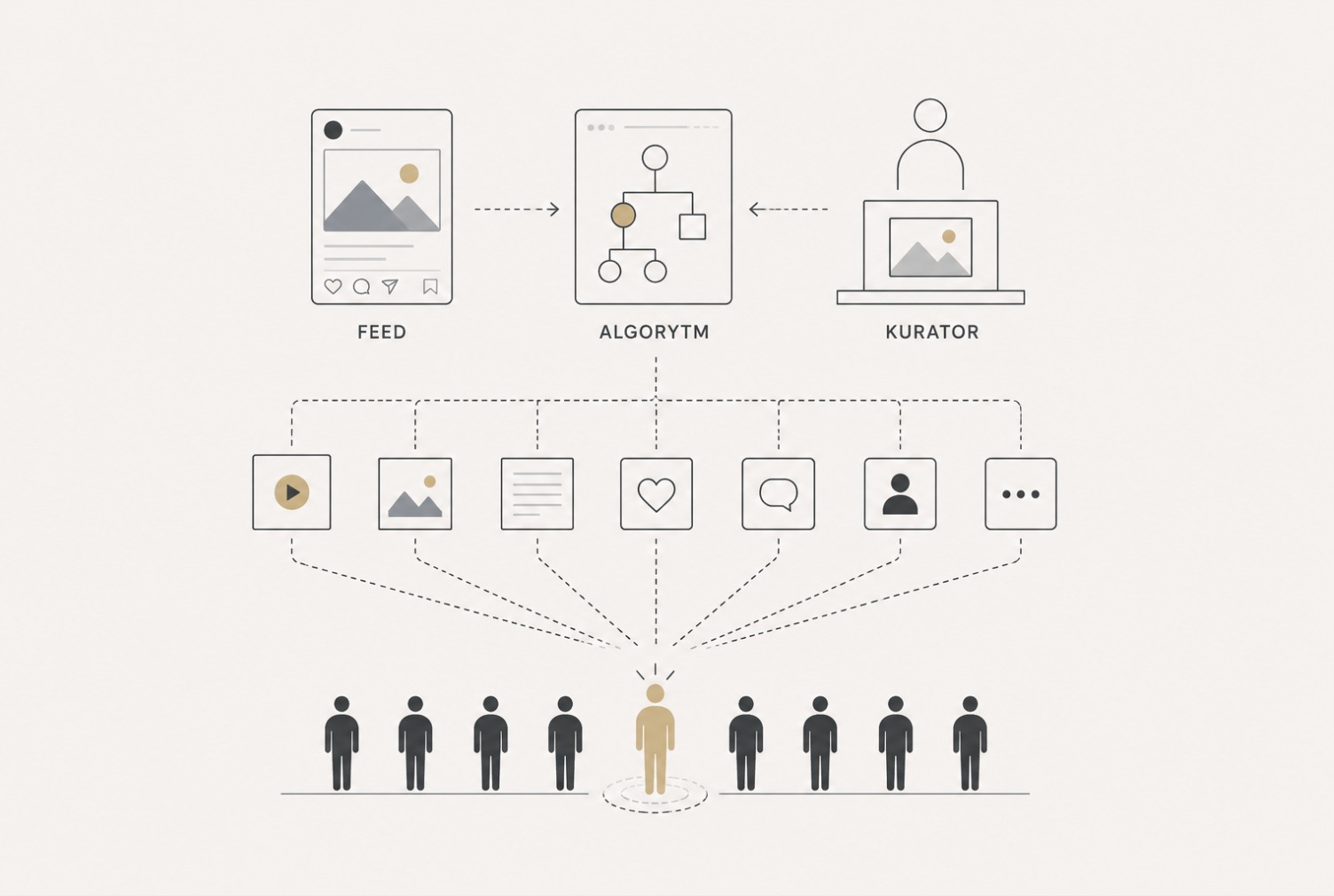
Feed zastępuje przestrzeń publiczną. Algorytm zaczyna zastępować kuratora. Widzialność zostaje podporządkowana cyrkulacji uwagi.
I właśnie dlatego pytanie o reprezentację staje się dzisiaj jednym z centralnych pytań współczesnej Europy.
Kto jest widzialny? Kto otrzymuje przestrzeń? Kto zostaje zaproszony do uczestnictwa? Kto pozostaje poza pamięcią instytucjonalną?
To pytanie dotyczy nie tylko artystów. Dotyczy całych społeczeństw.
Bo wspólnoty nie istnieją wyłącznie ekonomicznie czy administracyjnie. Istnieją również jako wyobrażenia tworzone przez kulturę, język i symbole.
Jeżeli społeczeństwo przestaje inwestować w swoich twórców, stopniowo traci zdolność wyobrażania sobie własnej przyszłości.
Dlatego problem współczesnej kultury nie jest wyłącznie problemem rynku sztuki.
To problem zdolności społeczeństwa do produkowania znaczeń, relacji i przyszłości.
Moja notatka jest próbą myślenia o nowych otwarciach społecznych, instytucjonalnych i kulturowych.
Narracje tworzą systemy. Systemy tworzą widzialność. Widzialność tworzy uczestnictwo.
A uczestnictwo decyduje o tym, kto może realnie istnieć w przestrzeni kultury.
Dzisiaj pytanie nie brzmi już wyłącznie: „Kto tworzy?”
Znacznie ważniejsze staje się pytanie: Kto otrzymuje możliwość pozostania widzialnym na tyle długo, by stać się częścią rzeczywistości kulturowej?
EN
Between Visibility and Presence
Infrastructures of Seeing in Art
Notes on visibility, art and contemporary systems of culture.
After Covid, the art world did not become more open. It became at once more visible and less accessible.
Today almost anyone can publish, show their work and build an online presence, yet it was social media that created the illusion of a full democratization of culture. In theory, every artist can exist publicly. Anyone can share something, create a website, publish an image, a film, a text or an online exhibition.
With this apparent openness, however, a new problem appeared: visibility itself became a form of capital.
The contemporary artist no longer struggles only with the process of creation. The real struggle concerns access to visibility.
For a long time, the internet was seen as a space that would dissolve the hierarchies of the art world. It was believed that geography, social background and lack of contacts would stop mattering, and that the work itself would be able to defend itself.
But this did not happen.
Hierarchies did not disappear. They simply became less visible.
Today the artist must not only create, but also constantly maintain presence: publish, update profiles, participate in the circulation of information, build networks, and move between algorithms, institutions, open calls and the language of the contemporary cultural field.
Silence begins to mean disappearance. There is no longer much space for constructing the artist’s persona as a mystery.
The contemporary situation of the artist increasingly resembles a state of permanent presence without stability. The Korean-German philosopher Byung-Chul Han described late capitalism as a system in which the human being is no longer controlled only from the outside, but begins to exploit the self through constant productivity, communication and the need to remain active. In the digital world, the creator can no longer simply exist and work. They must remain visible.
Mark Fisher wrote about the psychological dimension of late capitalism, in which depression, exhaustion and a sense of powerlessness cease to be only individual problems and become structural effects. In the case of contemporary artists, the contradiction between the social expectation of constant creativity and the actual lack of stable living conditions, representation and long-term security becomes especially visible.
Hito Steyerl’s perspective also seems important. She points out that in the digital era images and visibility no longer function as stable objects, but as elements of endless circulation. Visibility becomes dependent on flows, algorithms and the infrastructure of platforms. As a result, the artist increasingly functions not only as a creator, but also as a participant in the economy of attention.
With the development of internet platforms, a new class of creators also emerged, functioning between culture, media and the economy of attention. YouTube, Instagram, TikTok and Twitch changed not only communication, but also created a new model of social participation based on permanent visibility.
As noted in analyses of YouTube and the social media revolution, the internet made possible the birth of a new professional group: online creators building their own communities and circuits of influence outside traditional media institutions.
Radio Zet – 19 Seconds in a Zoo That Changed the World of Media
In theory, this was supposed to mean the democratization of visibility. Anyone could become a broadcaster, artist, commentator or producer of their own symbolic world.
At the same time, platforms created a new form of dependency.
Visibility ceased to be simply the effect of the quality of work. Increasingly, it depends on the ability to hold attention within algorithmic systems. The creator begins to function not only as an author, but also as a product circulating within the economy of data, emotions and engagement.
Here appears the paradox of contemporary digital freedom: the internet opened the possibility of public presence to almost everyone, while at the same time subordinating that presence to platform infrastructures whose main currency remains user attention.
As a result, the contemporary artist, like the online creator, increasingly functions between autonomy and dependence on systems of visibility they do not control.
At this point, one of the main paradoxes of contemporary culture appears: the more images we produce as a society, the harder it becomes to gain real social presence.
In this system, artistic work no longer ends with the act of making. The work must still enter the circulation of visibility. It must be noticed, shared, described, invited and included within existing structures. Creation is no longer enough.
This leads to one of the greatest paradoxes of the present: we live in the most visible moment in history, while more and more people experience invisibility.
Thousands of artists produce images, texts, films and exhibitions every day. Yet only a small part of them gains lasting presence in cultural space.
The problem is no longer only exclusion. The problem becomes saturation.
The internet has created an endless stream of images, narratives and identities competing for attention. Visibility has become temporary and unstable. Artists appear for a moment, in a post, a story, an event or a short media circulation, but rarely gain long-term presence within cultural structures.
This is why institutions still matter.
Museums, galleries, universities and publicly funded spaces continue to decide what is inscribed into cultural memory. They co-create archives, art history and the social legitimacy of artistic practice.
Even in the age of social media, institutional recognition remains the boundary between momentary attention and lasting cultural presence.
Here an important contradiction of contemporary democracies appears.
We speak about openness, diversity and accessibility. At the same time, participation in cultural systems often remains concentrated around existing social networks, local circles and established structures.
This is not always conscious exclusion. Often it is simply the reproduction of existing relations.
Institutions naturally move around people who are already visible, known and recognizable within the system.
As a result, many artists formally exist within the art world, while practically remaining outside its main circulation.
This becomes especially visible in smaller societies.
In my own experience, the question of visibility appeared even before the beginning of my artistic education.
In 2016, before studying at the Academy of Art in Szczecin, I took part in the exhibition “Salon Odrzuconych” at the State Art Gallery in Sopot, curated by Piotr Sarzyński. The exhibition concerned artists functioning outside the official circulation of art — present in the awareness of viewers, yet at the same time omitted by the institutional canon.
One of the important points of reference for the exhibition was Gregory Sholette’s theory of the “dark matter” of the art world. Sholette described the vast number of artists who sustain the functioning of the cultural system, even though they themselves remain outside the main circulation of visibility. As the curator wrote, the problem does not concern only the quality of artistic work, but also the social, institutional and economic mechanisms deciding who remains visible and who functions at the margins of the system.
Only years later did I understand how important that moment was for me.
During a public artist talk at Reykjavik Art Museum, I asked Sholette a question about his own position in relation to the system he describes. I introduced myself simply as a student of Bryndís Snæbjörnsdóttir, my professor and one of the most important figures connected with Icelandic art education and the contemporary art scene, whom I perceived at the time as an essential authority.
I asked where he actually placed himself in relation to activism, institutions and art: whether he remained primarily an observer, a documentarian, a participant or an activist.
From today’s perspective, I see that this was not an academic question, but rather a question asked from the position of a young artist trying to understand the relation between theory and real participation in the art system.
In contemporary culture we often speak about structures, representation and institutional critique, yet we much less often ask about our personal position in relation to the systems we ourselves co-create and describe.
Sholette answered that he functions both inside and outside the system. He spoke about his own participation in activist actions, institutional interventions and artistic collectives, but also about writing, research and the attempt to analyze these processes from a certain distance.
Today I see that this question also concerned me.
Today I also see that this problem has become even more relevant. The internet was supposed to open the art system. In practice, it often only increased the speed of image circulation and competition for attention.
The relation between physical and digital space also appeared directly in my artistic practice during my MFA studies at the Iceland University of the Arts.
In one work prepared in the Kubburinn space, I created an installation based on a division between local and digital experience. The physical gallery space was covered with newspapers and separated by curtains. Inside were photographs of the same walls, documentation of the online space and responses from creators participating in the project.
I was interested in the question of where contemporary human and artistic presence actually takes place.
The project attempted to draw attention to the fact that contemporary social life no longer functions only locally. Besides physical spaces, we simultaneously participate in a global, digital and networked reality, operating according to entirely different rules of visibility, communication and participation.
It is increasingly there that social relations, recognition, influence and cultural presence are built.
In this sense, the internet is no longer only a tool of communication. It has become a parallel space of social existence.
In Iceland, the language of equality, community and social openness is strongly present. At the same time, many artists, including Icelandic artists themselves, speak about the difficulties of entering the art world, gaining stable visibility and building long-term collaboration with institutions.
During one election meeting I also spoke with Magnea Gná Jóhannsdóttir about the situation of artists in Iceland. Our conversation touched on the difficulties of entering the structures of the art world and building lasting cultural presence. Importantly, she herself pointed out that this problem also concerns many Icelanders.
This suggests that the problem is not only a question of nationality. It is structural.
The contemporary cultural system increasingly produces a situation in which a large number of people are present, active, educated and creative, while at the same time remaining peripheral to the main mechanisms of visibility.
The artist exists. But does not fully enter the space of visibility.
This is where the question of the conditions of seeing appears.
During the 18th International Scientific Conference on Human Rights in the Sejm of the Republic of Poland, I spoke about how contemporary human rights increasingly depend not only on freedom of speech, but also on the infrastructure of visibility.
In the paper “Human as Resource (Seed and Raw Material). Conditions of Seeing as a Human Rights Problem: How Platforms and AI Take Over the Production of Visibility and Collective Imagination in Europe,” I tried to shift attention from the question “what may be said?” to the question “under what conditions can a statement become socially visible at all?”
Today a large part of this process lies beyond the human being.
Visibility is co-designed by algorithms, recommendation systems, social media platforms, content rankings, artificial intelligence models and the economy of attention.
Platforms do not only show reality. They co-create the conditions of perception.
They decide what will be seen, for how long, by whom and in what emotional context.
This means that the contemporary problem of the artist no longer concerns only the quality of artistic work. Increasingly, it concerns access to the infrastructure of visibility.
In this sense, the human being begins to function as a resource.
Not only as a worker or user, but also as a source of data, emotions, attention, predictable reactions and monetizable activity.
In my paper, I described this process through the figure of “seed and raw material.”
The human being becomes both the growth potential of the system and the material used by its mechanisms.
This affects artists especially strongly.
Art has always worked with visibility, emotion and collective imagination. Artists have created symbols, narratives and images that allow societies to imagine themselves.
Today, however, a large part of this function has been taken over by platform infrastructure.
The feed replaces public space. The algorithm begins to replace the curator. Visibility becomes subordinated to the circulation of attention.
This is why the question of representation becomes one of the central questions of contemporary Europe.
Who is visible? Who receives space? Who is invited to participate? Who remains outside institutional memory?
This question concerns not only artists. It concerns entire societies.
Communities do not exist only economically or administratively. They also exist as imaginaries created by culture, language and symbols.
If a society stops investing in its creators, it gradually loses the ability to imagine its own future.
The problem of contemporary culture is therefore not only a problem of the art market.
It is a problem of society’s ability to produce meanings, relations and futures.
My note is an attempt to think about new social, institutional and cultural openings.
Narratives create systems. Systems create visibility. Visibility creates participation.
And participation decides who can truly exist within cultural space.
Today the question is no longer only: “Who creates?”
The more important question becomes: who receives the possibility of remaining visible long enough to become part of cultural reality?
IS
Milli sýnileika og nærveru
Innviðir sýnileika í list
Athugasemdir um sýnileika, list og samtímakerfi menningar.
Eftir Covid varð listheimurinn ekki opnari. Hann varð á sama tíma sýnilegri og minna aðgengilegur.
Í dag geta næstum allir birt efni, sýnt verk sín og byggt upp nærveru á internetinu, en það voru samfélagsmiðlar sem sköpuðu tálsýn um fullkomna lýðræðisvæðingu menningar. Í orði getur hver listamaður verið opinberlega til staðar. Hver sem er getur deilt einhverju, búið til vefsíðu, birt mynd, kvikmynd, texta eða sýningu á netinu.
En með þessari sýndu opnun kom nýtt vandamál fram: sýnileiki sjálfur varð að formi auðmagns.
Samtímalistamaðurinn glímir ekki lengur aðeins við sköpunarferlið. Raunverulega baráttan snýst um aðgang að sýnileika.
Í langan tíma var internetið talið vera rými sem gæti afnumið stigveldi listheimsins. Talið var að landafræði, félagslegur bakgrunnur og skortur á tengslum myndu hætta að skipta máli, og að verkið sjálft gæti staðið fyrir sínu.
En það gerðist ekki.
Stigveldin hurfu ekki. Þau urðu einfaldlega minna sýnileg.
Í dag þarf listamaðurinn ekki aðeins að skapa, heldur einnig stöðugt að viðhalda nærveru sinni: birta efni, uppfæra prófíla, taka þátt í upplýsingaflæði, byggja tengslanet og hreyfa sig á milli algóritma, stofnana, opinna umsókna og tungumáls samtímamenningar.
Þögn byrjar að þýða hvarf. Það er ekki lengur mikið rými til að byggja persónu listamannsins sem leyndardóm.
Staða samtímalistamannsins líkist sífellt meira varanlegri nærveru án stöðugleika. Kóresk-þýski heimspekingurinn Byung-Chul Han lýsti síðkapítalisma sem kerfi þar sem manneskjan er ekki lengur aðeins stjórnað utan frá, heldur byrjar að nýta sjálfa sig í gegnum stöðuga framleiðni, samskipti og þörfina fyrir að vera virk. Í stafrænum heimi getur skapandi manneskja ekki lengur einfaldlega verið til og unnið. Hún verður stöðugt að vera sýnileg.
Mark Fisher skrifaði um sálfræðilega vídd síðkapítalismans, þar sem þunglyndi, örmögnun og vanmáttarkennd hætta að vera aðeins persónuleg vandamál og verða kerfisbundin áhrif. Í tilfelli samtímalistamanna verður sérstaklega skýr mótsögnin milli samfélagslegrar kröfu um stöðuga sköpun og raunverulegs skorts á stöðugum lífsskilyrðum, fulltrúa og langtímaöryggi.
Sjónarhorn Hito Steyerl er einnig mikilvægt. Hún bendir á að á stafrænum tímum virki myndir og sýnileiki ekki lengur sem stöðugir hlutir, heldur sem hlutar af endalausri hringrás. Sýnileiki verður háður flæði, algóritmum og innviðum vettvanga. Fyrir vikið starfar listamaðurinn sífellt oftar ekki aðeins sem skapandi aðili, heldur einnig sem þátttakandi í athyglishagkerfinu.
Með þróun netvettvanga varð einnig til ný stétt skapandi fólks sem starfar á milli menningar, fjölmiðla og athyglishagkerfisins. YouTube, Instagram, TikTok og Twitch breyttu ekki aðeins samskiptum, heldur sköpuðu einnig nýtt líkan samfélagslegrar þátttöku sem byggir á stöðugum sýnileika.
Eins og bent hefur verið á í greiningum á þróun YouTube og byltingu samfélagsmiðla gerði internetið tilurð nýs faghóps mögulega: netframleiðenda sem byggja eigin samfélög og áhrifahringi utan hefðbundinna fjölmiðlastofnana.
Radio Zet – 19 sekúndur í dýragarði sem breyttu heimi fjölmiðlanna
Í orði átti þetta að þýða lýðræðisvæðingu sýnileika. Hver sem er gat orðið miðlari, listamaður, álitsgjafi eða framleiðandi eigin táknheims.
Á sama tíma sköpuðu vettvangarnir nýja tegund háðar.
Sýnileiki hætti að vera aðeins afleiðing af gæðum vinnunnar. Hann fer sífellt meira eftir hæfninni til að halda athygli innan algóritmískra kerfa. Skapandi manneskjan fer að virka ekki aðeins sem höfundur, heldur einnig sem vara sem flæðir í hagkerfi gagna, tilfinninga og þátttöku.
Hér birtist þversögn stafræns frelsis samtímans: internetið opnaði möguleika á opinberri nærveru fyrir næstum alla, en undirskipaði þessa nærveru um leið innviðum vettvanga þar sem helsti gjaldmiðillinn er athygli notandans.
Fyrir vikið starfar samtímalistamaðurinn, líkt og netframleiðandinn, sífellt oftar á milli sjálfræðis og háðar kerfum sýnileika sem hann stjórnar ekki sjálfur.
Á þessum stað birtist ein helsta þversögn samtímamenningar: því fleiri myndir sem við framleiðum sem samfélag, þeim mun erfiðara verður að öðlast raunverulega félagslega nærveru.
Í þessu kerfi lýkur listrænni vinnu ekki lengur með sköpuninni sjálfri. Verkið þarf enn að komast inn í hringrás sýnileikans. Það þarf að verða séð, deilt, lýst, boðið inn og fellt inn í núverandi struktúra. Sköpun ein og sér er ekki lengur nóg.
Þetta leiðir til einnar stærstu þversagnar samtímans: við lifum á sýnilegasta augnabliki sögunnar, en sífellt fleiri upplifa ósýnileika.
Þúsundir listamanna framleiða daglega myndir, texta, kvikmyndir og sýningar. Samt fær aðeins lítill hluti þeirra varanlega nærveru í menningarrými.
Vandinn er ekki lengur aðeins útilokun. Vandinn verður ofgnótt.
Internetið hefur skapað endalaust flæði mynda, frásagna og sjálfsmynda sem keppa um athygli. Sýnileiki er orðinn tímabundinn og óstöðugur. Listamenn birtast í augnablik, í færslu, sögu, viðburði eða stuttu fjölmiðlaflæði, en öðlast sjaldan langtímanærveru innan menningarlegra struktúra.
Þess vegna skipta stofnanir enn miklu máli.
Söfn, gallerí, háskólar og opinberlega fjármögnuð rými ákveða enn hvað verður skráð í menningarlegt minni. Þau móta skjalasöfn, listasögu og félagslega lögmætingu listrænnar iðkunar.
Jafnvel á tímum samfélagsmiðla er stofnanaleg viðurkenning enn mörkin á milli skammvinnrar athygli og varanlegrar menningarlegrar nærveru.
Hér birtist mikilvæg mótsögn samtímalýðræðis.
Við tölum um opnun, fjölbreytni og aðgengi. Á sama tíma er þátttaka í menningarkerfum mjög oft samþjöppuð í kringum núverandi félagsnet, staðbundna hópa og þegar mótaðar struktúra.
Þetta er ekki alltaf meðvituð útilokun. Oft er þetta einfaldlega endurframleiðsla núverandi tengsla.
Stofnanir hreyfast eðlilega í kringum þá sem eru þegar sýnilegir, þekktir og auðþekkjanlegir innan kerfisins.
Fyrir vikið eru margir listamenn formlega til í listheiminum en standa í reynd utan meginstraums hans.
Þetta verður sérstaklega sýnilegt í smærri samfélögum.
Í minni eigin reynslu birtist spurningin um sýnileika áður en ég hóf formlegt listnám.
Árið 2016, áður en ég hóf nám við Listaháskólann í Szczecin, tók ég þátt í sýningunni „Salon odrzuconych” í Państwowa Galeria Sztuki í Sopot, undir sýningarstjórn Piotr Sarzyński. Sýningin fjallaði um listamenn sem starfa utan hins opinbera listflæðis — til staðar í vitund áhorfenda, en um leið sniðgengna af stofnanalegum kanón.
Einn mikilvægur viðmiðunarpunktur sýningarinnar var kenning Gregory Sholette um „dökkt efni” listheimsins. Sholette lýsti hinum mikla fjölda listamanna sem halda menningarkerfinu gangandi, þótt þeir sjálfir standi utan meginstraums sýnileika. Eins og sýningarstjórinn skrifaði snýst vandinn ekki aðeins um gæði listrænnar vinnu, heldur einnig félagslega, stofnanalega og efnahagslega verkferla sem ákveða hver verður sýnilegur og hver starfar á jaðri kerfisins.
Aðeins mörgum árum síðar skildi ég hversu mikilvægur þessi tímapunktur var fyrir mig.
Á opinberu artist talk í Listasafni Reykjavíkur spurði ég Sholette um eigin stöðu hans gagnvart kerfinu sem hann lýsir. Ég kynnti mig einfaldlega sem nemanda Bryndísar Snæbjörnsdóttur, prófessors míns og einnar mikilvægustu persónu tengdri íslenskri listmenntun og samtímalistasenu, sem ég skynjaði á þeim tíma sem mjög mikilvægt kennivald.
Ég spurði hvar hann staðsetti sjálfan sig gagnvart heimi aktívisma, stofnana og listar: hvort hann væri fyrst og fremst áhorfandi, skrásetjari, þátttakandi eða aktívisti.
Frá sjónarhóli dagsins í dag sé ég að þetta var ekki akademísk spurning, heldur spurning sett fram af ungum listamanni sem reyndi að skilja sambandið milli kenningar og raunverulegrar þátttöku í listkerfinu.
Í samtímamenningu er oft talað um struktúra, fulltrúa og stofnanagagnrýni, en mun sjaldnar er spurt um persónulega stöðu okkar gagnvart kerfum sem við sjálf tökum þátt í að móta og lýsa.
Sholette svaraði því að hann starfi bæði innan og utan kerfisins. Hann talaði um eigin þátttöku í aktívistískum aðgerðum, stofnanalegum inngripum og listakollektívum, en einnig um skrif, rannsóknir og tilraunina til að greina þessi ferli úr ákveðinni fjarlægð.
Í dag sé ég að þessi spurning snerist einnig um mig sjálfan.
Í dag sé ég einnig að þessi vandi hefur orðið enn meira aðkallandi. Internetið átti að opna listkerfið. Í reynd jók það oft aðeins hraða myndaflæðis og samkeppni um athygli.
Sambandið milli líkamlegs og stafræns rýmis birtist einnig beint í minni listrænu iðkun í meistaranámi við Listaháskóla Íslands.
Í einni framkvæmd í rýminu Kubburinn skapaði ég innsetningu sem byggði á skiptingu milli staðbundinnar og stafrænnar reynslu. Líkamlegt gallerírýmið var hulið dagblöðum og aðskilið með tjöldum. Innandyra voru ljósmyndir af sömu veggjum, skjölun á netrýminu og svör frá skapandi aðilum sem tóku þátt í verkefninu.
Ég hafði áhuga á spurningunni um hvar samtímaleg nærvera mannsins og listamannsins á sér í raun stað.
Verkefnið reyndi að beina athygli að því að samtímalegt félagslíf starfar ekki lengur aðeins staðbundið. Auk líkamlegra rýma tökum við samtímis þátt í hnattrænum, stafrænum og nettengdum veruleika sem starfar eftir allt öðrum reglum sýnileika, samskipta og þátttöku.
Það er sífellt oftar þar sem félagsleg tengsl, þekking, áhrif og menningarleg nærvera eru byggð.
Í þessum skilningi er internetið ekki lengur aðeins samskiptatæki. Það er orðið hliðstætt rými félagslegrar tilvistar.
Á Íslandi er tungumál jafnréttis, samfélags og félagslegrar opnunar mjög til staðar. Á sama tíma tala margir listamenn, einnig íslenskir listamenn sjálfir, um erfiðleika við að komast inn í listheiminn, öðlast stöðugan sýnileika og byggja langtímasamstarf við stofnanir.
Á einum kosningafundi ræddi ég einnig við Magneu Gná Jóhannsdóttur um stöðu listamanna á Íslandi. Í samtalinu kom fram umræðuefni um erfiðleika við að komast inn í struktúra listheimsins og byggja varanlega menningarlega nærveru. Mikilvægt er að hún benti sjálf á að þessi vandi snerti einnig marga Íslendinga.
Þetta bendir til þess að vandinn snúist ekki aðeins um þjóðerni. Hann er kerfisbundinn.
Samtímamenningarkerfið framleiðir sífellt oftar aðstæður þar sem mikill fjöldi fólks er til staðar, virkur, menntaður og skapandi, en er um leið á jaðri helstu kerfa sýnileika.
Listamaðurinn er til. En hann kemst ekki að fullu inn í rými sýnileikans.
Hér birtist spurningin um skilyrði þess að sjá.
Á 18. alþjóðlegu vísindaráðstefnunni um mannréttindi í Sejm lýðveldisins Póllands talaði ég um að samtímamannréttindi velti sífellt meira ekki aðeins á tjáningarfrelsi, heldur einnig á innviðum sýnileika.
Í erindinu „Maðurinn sem auðlind (fræ og hráefni). Skilyrði sýnileika sem mannréttindavandi: hvernig vettvangar og gervigreind taka yfir framleiðslu sýnileika og sameiginlegs ímyndunarafls í Evrópu” reyndi ég að færa athyglina frá spurningunni „hvað má segja?” yfir í spurninguna „við hvaða skilyrði getur tjáning yfirhöfuð orðið félagslega sýnileg?”
Í dag er stór hluti þessa ferlis utan manneskjunnar.
Sýnileiki er sammótaður af algóritmum, meðmælakerfum, samfélagsmiðlum, röðun efnis, gervigreindarlíkönum og athyglishagkerfinu.
Vettvangar sýna ekki aðeins veruleikann. Þeir móta einnig skilyrði skynjunar.
Þeir ákveða hvað verður séð, hversu lengi, af hverjum og í hvaða tilfinningalega samhengi.
Þetta þýðir að samtímavandi listamannsins snýst ekki lengur aðeins um gæði verksins. Hann snýst sífellt meira um aðgang að innviðum sýnileika.
Í þessum skilningi byrjar manneskjan að starfa sem auðlind.
Ekki aðeins sem starfsmaður eða notandi, heldur einnig sem uppspretta gagna, tilfinninga, athygli, fyrirsjáanlegra viðbragða og virkni sem hægt er að monetísera.
Í erindi mínu kallaði ég þetta ferli myndina af „fræi og hráefni”.
Manneskjan verður samtímis vaxtarmöguleiki kerfisins og efni sem kerfið notar.
Þetta snertir listamenn sérstaklega sterkt.
List hefur alltaf unnið með sýnileika, tilfinningar og sameiginlegt ímyndunarafl. Listamenn hafa skapað tákn, frásagnir og myndir sem gera samfélögum kleift að ímynda sér sjálf.
Í dag hefur stór hluti þessarar virkni verið tekinn yfir af innviðum vettvanga.
Feed kemur í stað opinbers rýmis. Algóritminn byrjar að koma í stað sýningarstjórans. Sýnileiki verður undirskipaður hringrás athyglinnar.
Þess vegna verður spurningin um fulltrúa ein af miðlægum spurningum Evrópu samtímans.
Hver er sýnilegur? Hver fær rými? Hverjum er boðið að taka þátt? Hver stendur utan stofnanalegs minnis?
Þessi spurning snýst ekki aðeins um listamenn. Hún snýst um heil samfélög.
Samfélög eru ekki aðeins til efnahagslega eða stjórnsýslulega. Þau eru einnig ímyndaðar heildir sem verða til í gegnum menningu, tungumál og tákn.
Ef samfélag hættir að fjárfesta í skapandi fólki sínu missir það smám saman hæfnina til að ímynda sér eigin framtíð.
Þess vegna er vandi samtímamenningar ekki aðeins vandi listmarkaðarins.
Hann er vandi hæfni samfélagsins til að framleiða merkingu, tengsl og framtíð.
Þessi athugasemd mín er tilraun til að hugsa um nýjar félagslegar, stofnanalegar og menningarlegar opnanir.
Frásagnir skapa kerfi. Kerfi skapa sýnileika. Sýnileiki skapar þátttöku.
Og þátttaka ákveður hver getur raunverulega verið til í menningarrými.
Í dag er spurningin ekki lengur aðeins: „Hver skapar?”
Mikilvægari spurningin verður: hver fær möguleika á að vera sýnilegur nógu lengi til að verða hluti af menningarlegum veruleika?